How to Lease Your Land for Hunting: Landowner Guide
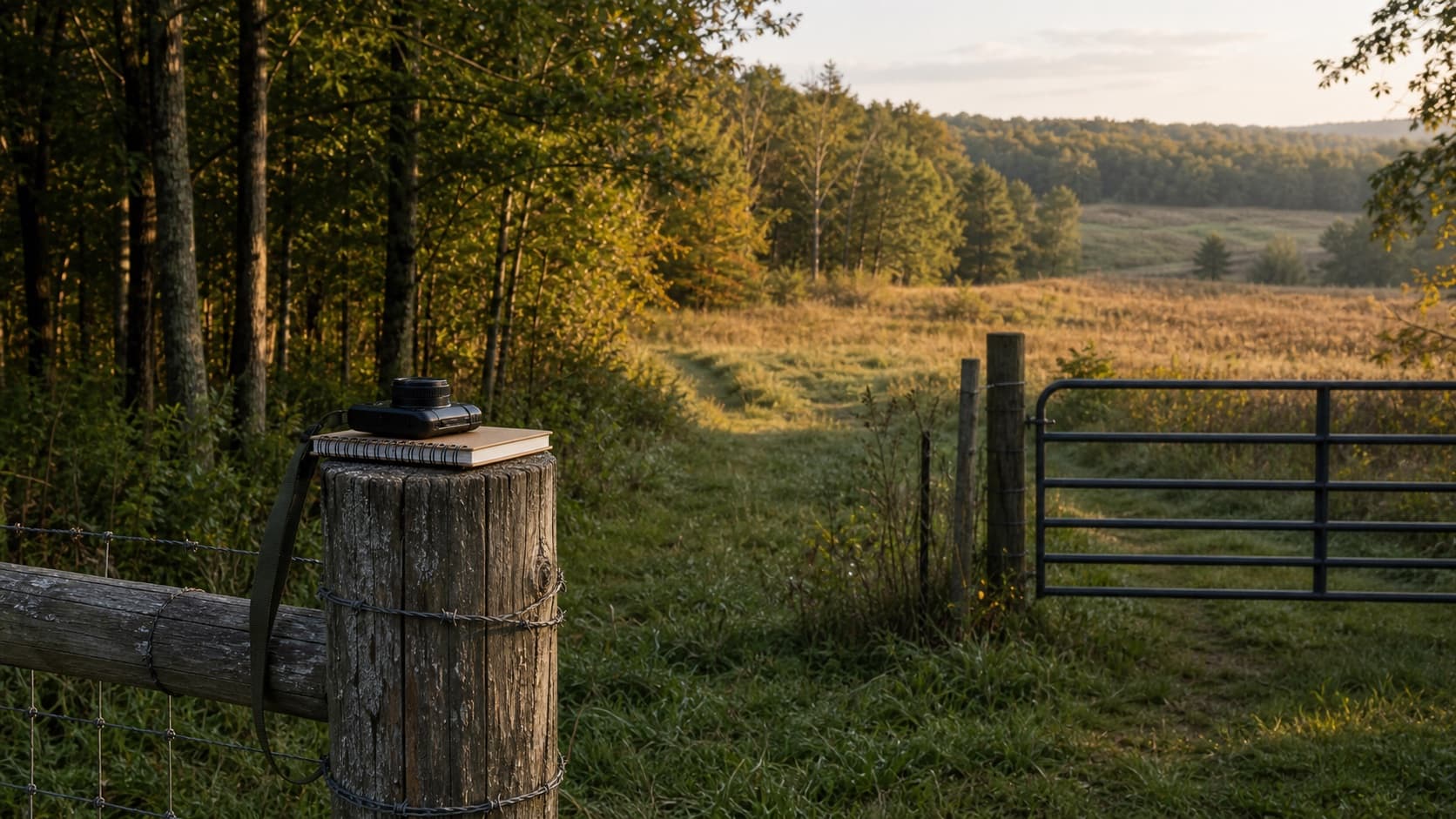
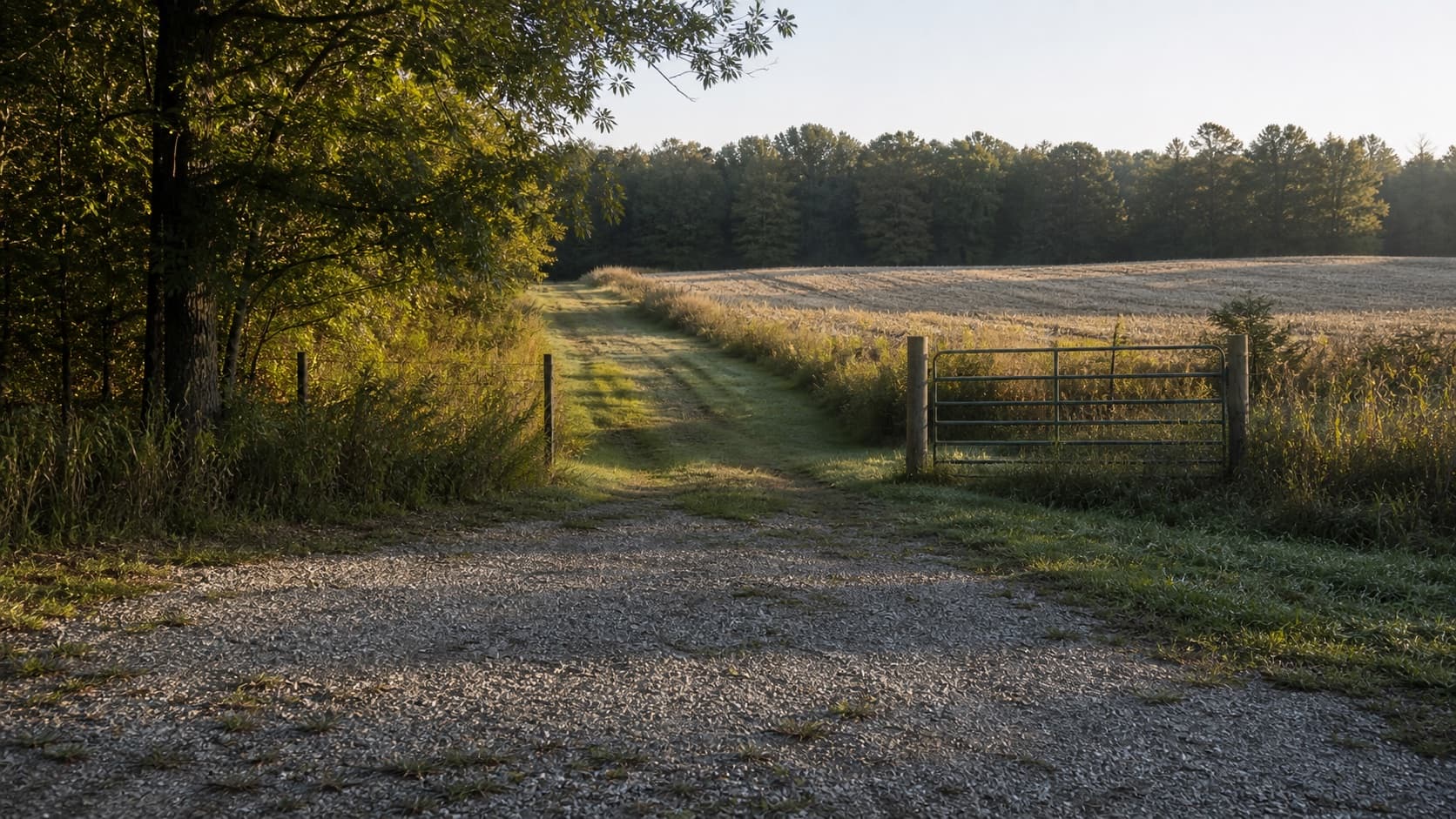
Leasing your land for hunting works best when the public listing attracts serious hunters while exact access, maps, gates, and final terms stay under owner control.
Read guideSecure marketplace
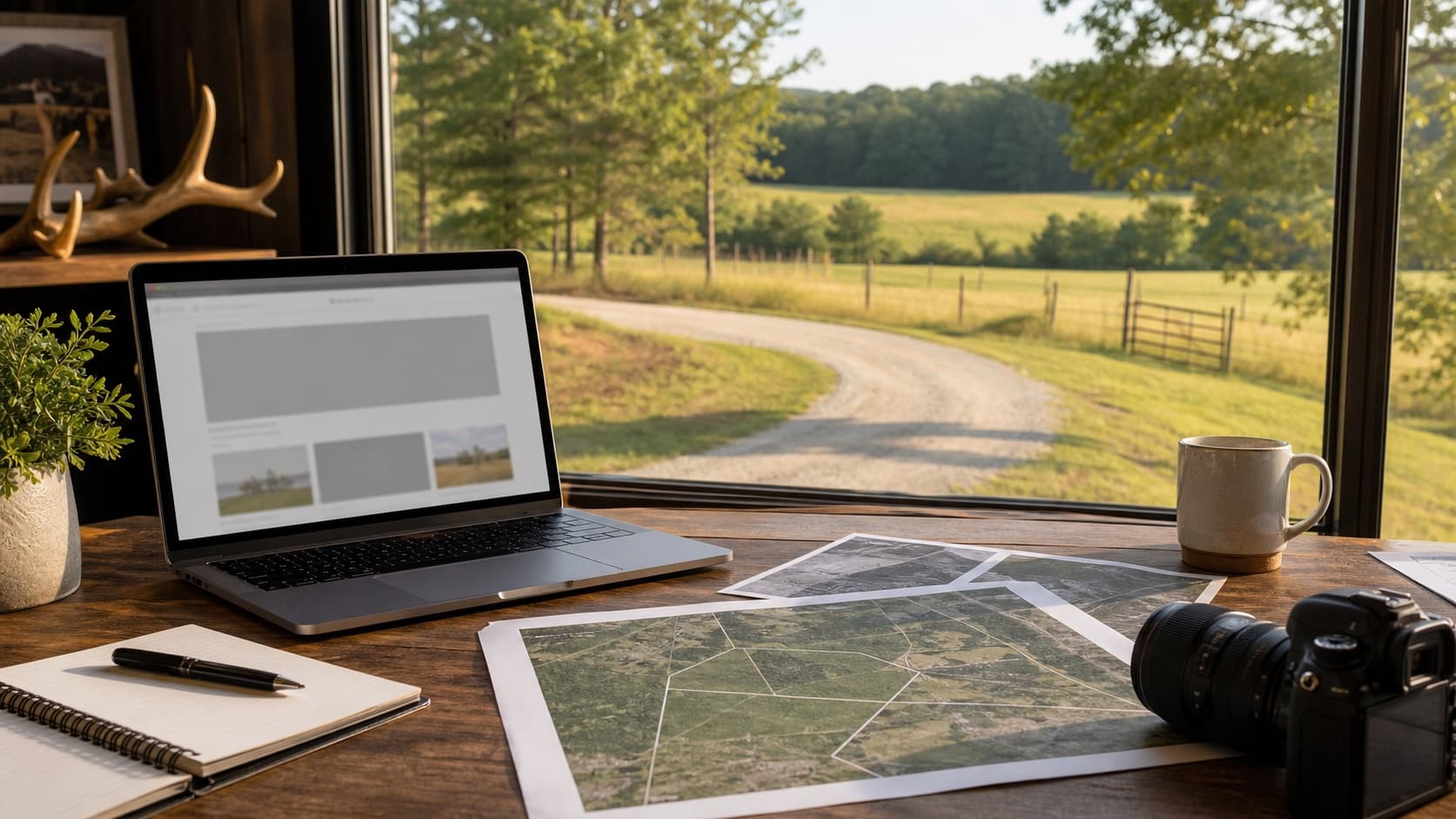
Preparing private hunting leases, map context, and protected access details.
Landowner resource center
Practical, owner-first articles about creating hunting leases, preparing listings, setting terms, screening requests, and protecting sensitive property details before access is approved.
List your landFeatured guides

Leasing your land for hunting works best when the public listing attracts serious hunters while exact access, maps, gates, and final terms stay under owner control.
Read guide
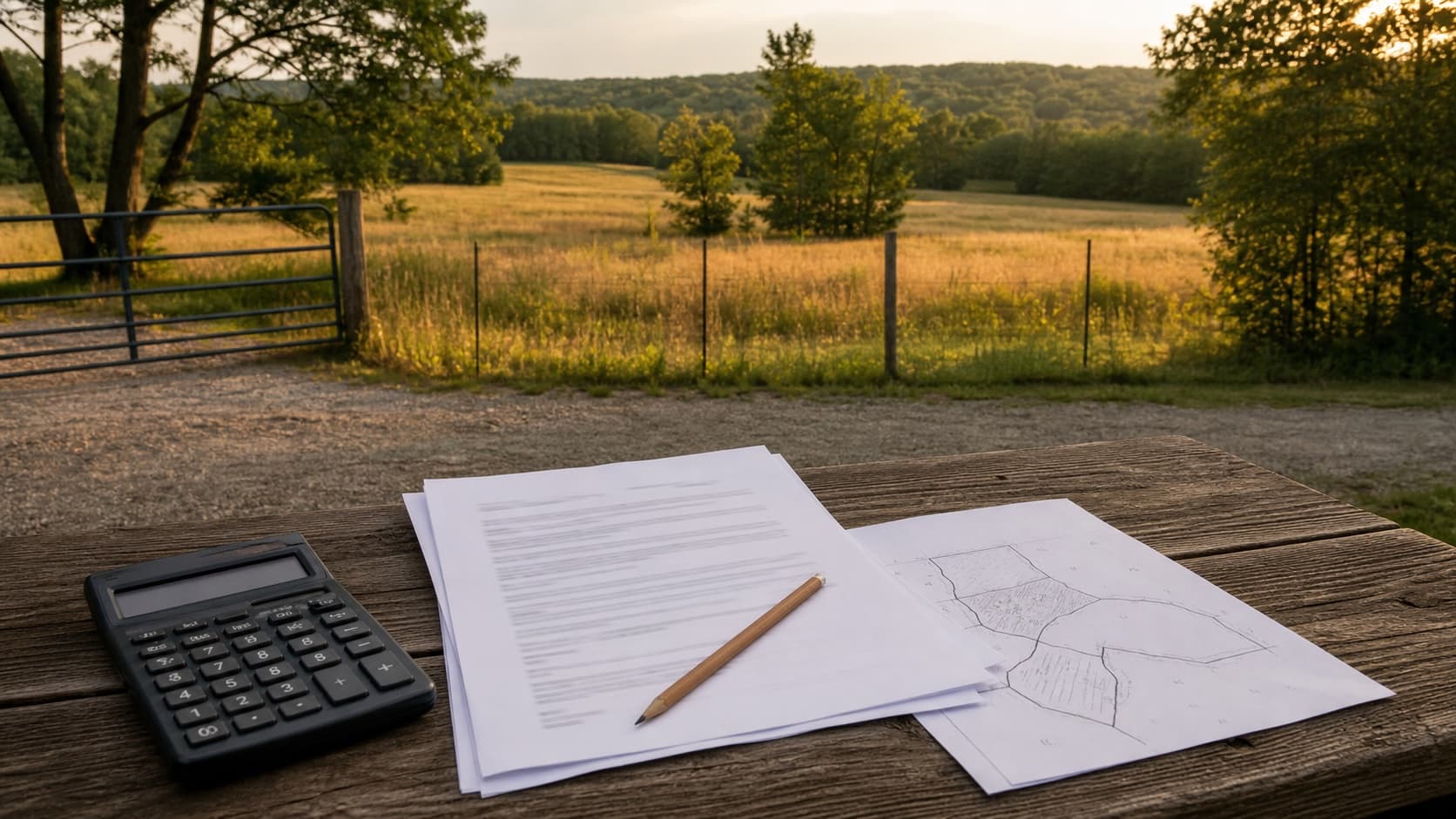
Advertising hunting land online should attract serious hunters without turning private gates, maps, and owner contact details into public information.
Read guide
Hunting lease income starts with pricing, but sustainable owner value depends on clear terms, pressure control, screening, and private access protection.
Read guide
By-owner hunting lease pages work best when they feel direct and trustworthy without exposing exact gates, routes, homes, or private boundaries.
Read guide
Weekend hunting leases can be flexible and attractive, but they need tighter scheduling, pressure control, and access instructions than casual permission.
Read guide
A strong request message helps hunters look serious and gives landowners enough context to decide whether private access should move forward.
Read guide
Near-me search intent is local, practical, and high value, but landowners can answer it without publishing exact gates or private addresses.
Read guide
Day leases can create flexible income and lower commitment, but they need precise access windows, rules, pricing, and owner-approved requests.
Read guide
Good screening questions help landowners separate serious, rule-aware hunters from vague requests before private access details are shared.
Read guide
Hunter verification should protect final access without making the first request feel heavier than it needs to be.
Read guide
Property authority proof helps build trust, but sensitive documents should stay private and connected to verification rather than public listings.
Read guide
Multi-species leases can increase value, but only when species, methods, seasons, zones, and rules are clearly separated.
Read guide
Harvest reporting helps owners understand property use, wildlife pressure, hunter behavior, and future lease decisions.
Read guide
Out-of-state hunters can be strong lease candidates when travel expectations, documents, timing, and access rules are clear before approval.
Read guide
Bowhunting leases need clear rules around stands, cameras, access timing, pressure, shot zones, and owner-approved property details.
Read guide
Hog hunting access can help landowners manage interest in nuisance species, but it still needs clear rules, safety limits, and approval-first access.
Read guide
Upland bird leases need clear expectations around dogs, fields, crop edges, walking routes, party size, safety, and landowner-approved access.
Read guide
Small hunting properties can still be valuable when owners set realistic expectations, tight rules, and careful access boundaries.
Read guide
A strong habitat description helps hunters understand the real opportunity and helps search engines understand the hunting lease page.
Read guide
Insurance expectations should be handled before final access, especially when private land, guests, vehicles, firearms, and working property are involved.
Read guide
Payment terms should explain what the hunter pays, when payment is due, what the price covers, and when access becomes active.
Read guide
A clear cancellation policy helps landowners and hunters understand what happens when weather, safety, payment, or scheduling changes affect access.
Read guide
Renewals can turn a good hunter relationship into predictable access, but they should remain owner-controlled and documented.
Read guide
A hunting lease safety plan helps owners explain emergency expectations, property risks, access limits, and responsible hunter behavior before access starts.
Read guide
Exclusive hunting leases can command stronger terms, but they need precise rules around access, pressure, guests, dates, and owner expectations.
Read guide
Waterfowl leases need clear rules around blinds, water access, dogs, shooting zones, parking, weather, and early-morning access.
Read guide
Ranch hunting leases need careful structure because hunting access must work around livestock, roads, family use, equipment, water, and working land.
Read guide
Roads, parking, and gates are small details that can create big lease problems when they are not explained before access starts.
Read guide
Guest policies protect landowners from surprise party sizes, extra pressure, unclear responsibility, and unsafe access assumptions.
Read guide
Private hunting land can be marketed effectively without publishing exact gates, sensitive boundaries, or final access instructions.
Read guide
Turkey leases need clear season dates, pressure limits, calling expectations, access routes, and owner-approved rules before hunters arrive.
Read guide
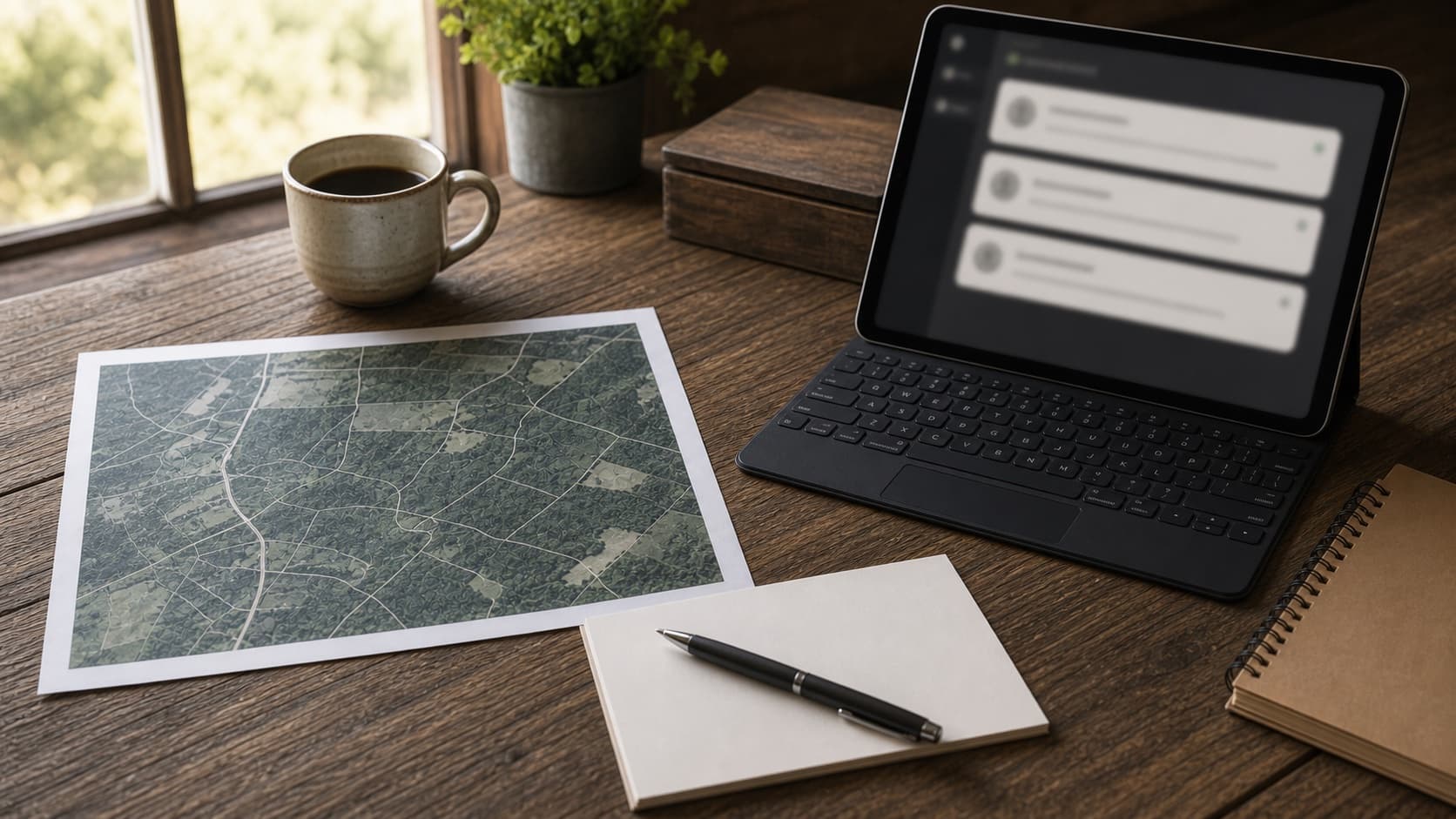
A hunting lease map should make access clearer for approved hunters while keeping sensitive boundary details out of public discovery.
Read guide
Seasonal hunting leases give owners more control than annual access, but they still need precise dates, rules, pricing, and hunter fit.
Read guide
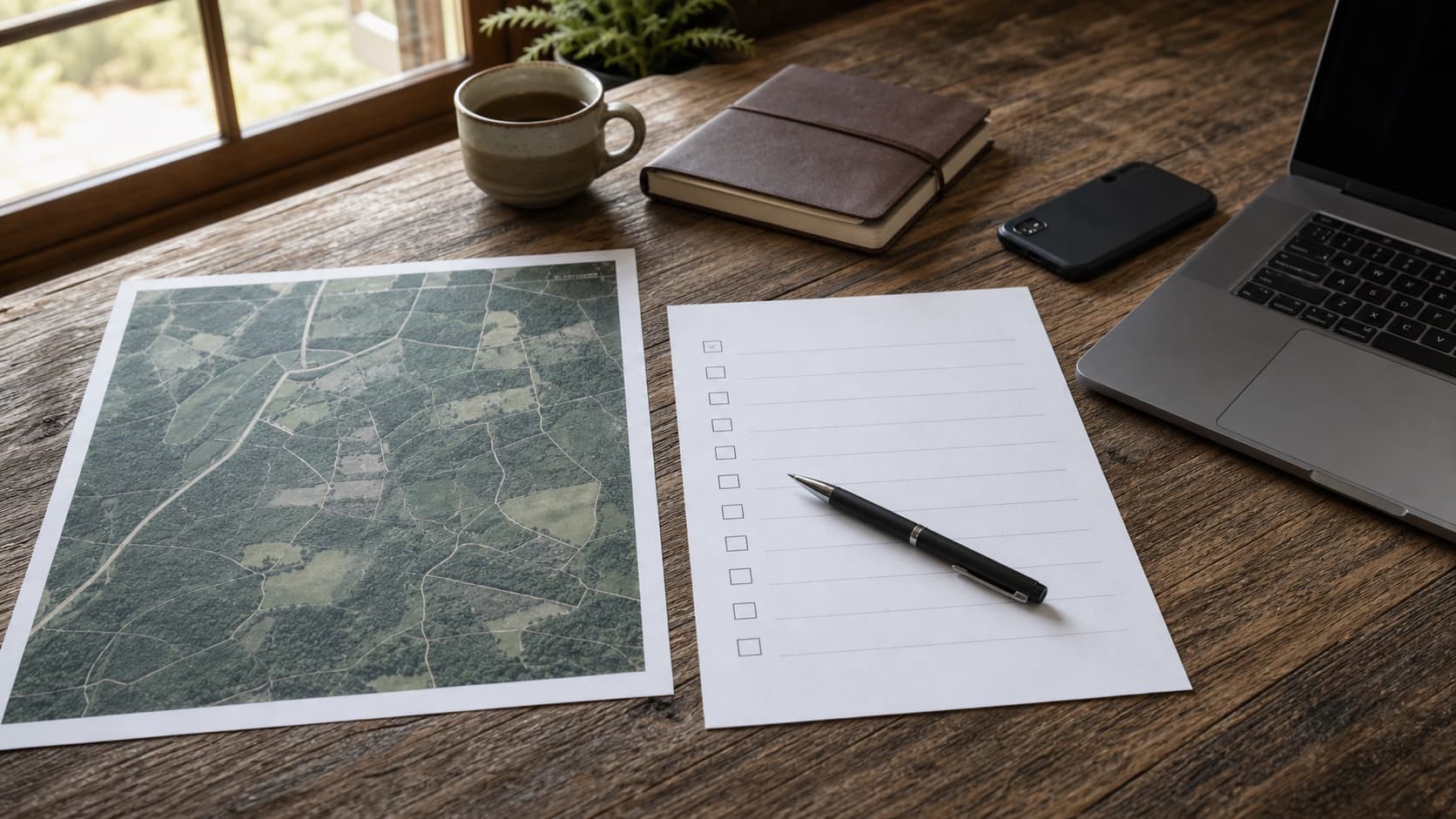
A practical pre-publish checklist for landowners who want a hunting lease listing that is clear, searchable, and owner-controlled.
Read guide
A practical SEO guide for landowners who want better hunter requests without exposing private gates, exact routes, or sensitive property details.
Read guide
Deer leases work best when owners define the access window, pressure limits, guest rules, habitat expectations, and final terms before approval.
Read guide
Clear hunting lease rules help owners avoid confusion before hunters receive exact boundaries, final terms, or private access instructions.
Read guide
A strong hunting lease description helps search engines understand the property and helps serious hunters decide whether to send a request.
Read guide
Finding hunters is only useful when the landowner can control who sees private details, who gets approved, and how final lease terms are handled.
Read guide
A practical starting point for landowners who want hunting lease income while keeping property details, rules, and access under control.
Read guide
Pricing hunting leases is easier when landowners separate acreage, habitat, season length, exclusivity, amenities, and risk.
Read guide
A practical checklist for landowners before moving from a hunter request into final hunting lease terms.
Read guide
The best hunting lease listings make the land easy to understand while keeping sensitive property details private.
Read guide

A request-first workflow helps landowners separate serious hunters from unclear access requests before private details are shared.
Read guide
Good photos help hunters understand the land without exposing sensitive gates, homes, roads, or exact access points.
Read guide
Clear boundaries protect the owner, the hunter, neighbors, livestock, homes, equipment, and the final lease agreement.
Read guide
Amenities make a hunting lease easier to evaluate when they are specific, accurate, and not overstated.
Read guide
The best lease length depends on owner control, hunter fit, property pressure, admin time, and the level of exclusivity offered.
Read guide
Small listing mistakes can create bad requests, owner risk, and avoidable confusion before a hunting lease ever reaches final terms.
Read guideBuilt for landowner control
Huntfields helps owners create privacy-safe hunting lease listings, draw huntable areas, define rules, review hunter requests, and move serious conversations toward agreement-ready next steps.
List your hunting land