Hunting Land for Lease by Owner: Landowner Listing Guide
Learn how landowners can list hunting land for lease by owner with privacy-safe location details, habitat photos, clear rules, pricing context, and request-first approval.
Updated June 26, 2026
Key takeaways
By-owner hunting lease listings should communicate direct owner control without publishing sensitive property details.
Useful public details include broad location, habitat, species, rules, amenities, price structure, and request steps.
Photos should prove the land is real while avoiding addresses, gate codes, equipment yards, and exact access points.
The best by-owner workflow moves from public discovery to request review, private maps, final terms, and approved access.
Quality checks
Search intent
Use hunting land for lease by owner as a decision page, not a keyword page. The article should answer what the owner needs to publish, what should stay private, and which request detail changes the next step.
Quality bar
The strongest article should make the listing easier to scan with concrete habitat, photos, rules, location context, and a clear request path.
Internal path
Connect this guide with How to Write a Hunting Lease Description That Ranks and Converts and Hunting Lease Photos: What Landowners Should Show so readers can keep moving through the owner workflow instead of landing on an isolated SEO page.
Start with the owner's direct offer
A hunting land for lease by owner page should make the ownership relationship clear: the hunter is reviewing access offered by the landowner or an authorized manager, not an anonymous classified post.
That directness can build trust when the listing explains what the owner is offering, what the owner controls, and how a hunter should request access.
The page should still avoid oversharing. Direct by-owner marketing does not mean public gate details, exact route instructions, or private owner documents belong on the open web.
Use location context without exposing the address
Searchers want to know whether the land is close enough and whether the region fits their hunt. Nearest town, state, county-level context, habitat region, and approximate acreage can answer that question safely.
Exact addresses, driveway names, gate combinations, home locations, private road signs, and parcel screenshots should stay out of public content.
A privacy-safe by-owner page gives enough local context for search and hunter evaluation while keeping operational access inside the approval workflow.
Show habitat and owner rules together
Habitat makes the listing attractive, but rules make it usable. A strong page explains timber, fields, water, brush, crop edges, pasture, trails, or wetlands alongside allowed methods, guests, vehicles, check-in, dogs, and closed areas.
By-owner listings often perform better when they sound like a real owner explaining real expectations.
Clear rules also reduce low-quality messages because hunters can decide whether the property fits before asking for private details.
Add photos that prove the opportunity
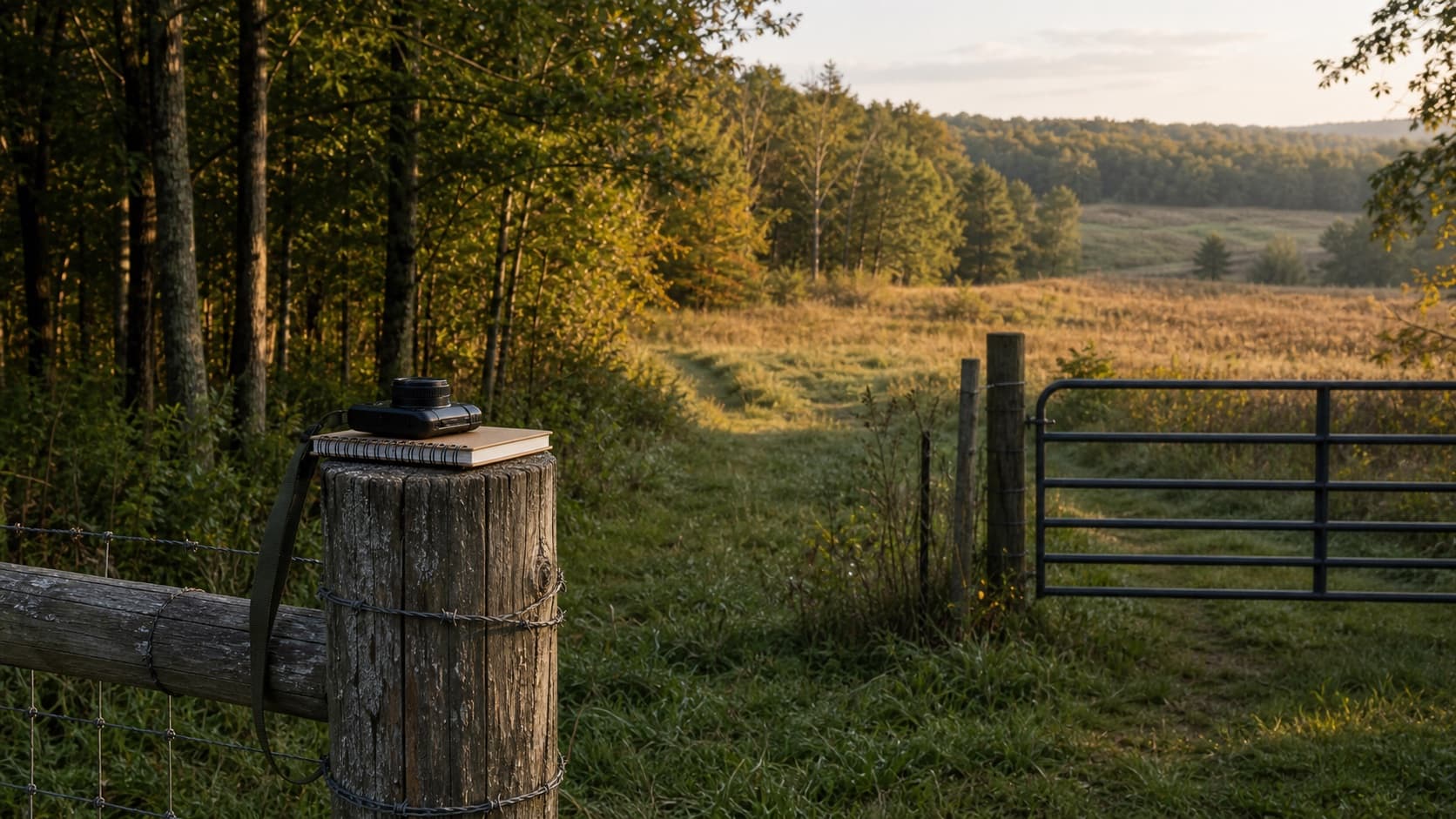
Photos are especially important for by-owner pages because they help hunters trust that the lease is real. Good photos show habitat, terrain, water, roads, field edges, blinds if approved, and general access quality.
Avoid photos that reveal gate codes, house fronts, vehicle plates, equipment, exact stand locations, or anything that could invite unapproved visits.
A few honest habitat photos can support SEO and conversion better than a long claim about great hunting.
Make price and next steps plain
By-owner does not have to mean informal. The page should explain whether price is per day, weekend, season, year, hunter, party, or custom request.
If the owner wants to quote after reviewing dates and party size, say that directly instead of leaving hunters to guess.
The next step should be obvious: send a request with dates, target species, method, party size, and a short note before exact access is shared.
Move serious hunters into a controlled workflow
The public page should create confidence, but the agreement should happen in a controlled workflow. That is where the owner can review the hunter, clarify terms, request documents if needed, and share exact maps only after approval.
This protects the owner while still letting the listing rank for by-owner searches.
A professional by-owner process feels direct without becoming risky or loose.
Keep building the workflow
Read this guide with the next practical step.
FAQ
What should a hunting land for lease by owner page include?
Include broad location, approximate acreage, habitat, species, photos, rules, amenities, price structure, owner approval steps, and a clear request process while keeping exact access private.
Should by-owner hunting lease listings show the exact address?
Usually no. Nearest town, state, region, and habitat context are useful publicly, while exact gates, routes, and address details should wait until approval.
How can landowners make by-owner listings look trustworthy?
Use clear photos, realistic habitat descriptions, specific rules, transparent price units, owner-controlled request steps, and consistent final terms.
Can a manager list hunting land by owner?
A manager can list access when they have authority to do so, but authority proof should stay private and final access should wait until the required review is complete.